




Support with worry, overthinking, or difficulty switching off
When things feel more unfamiliar, or out of balance
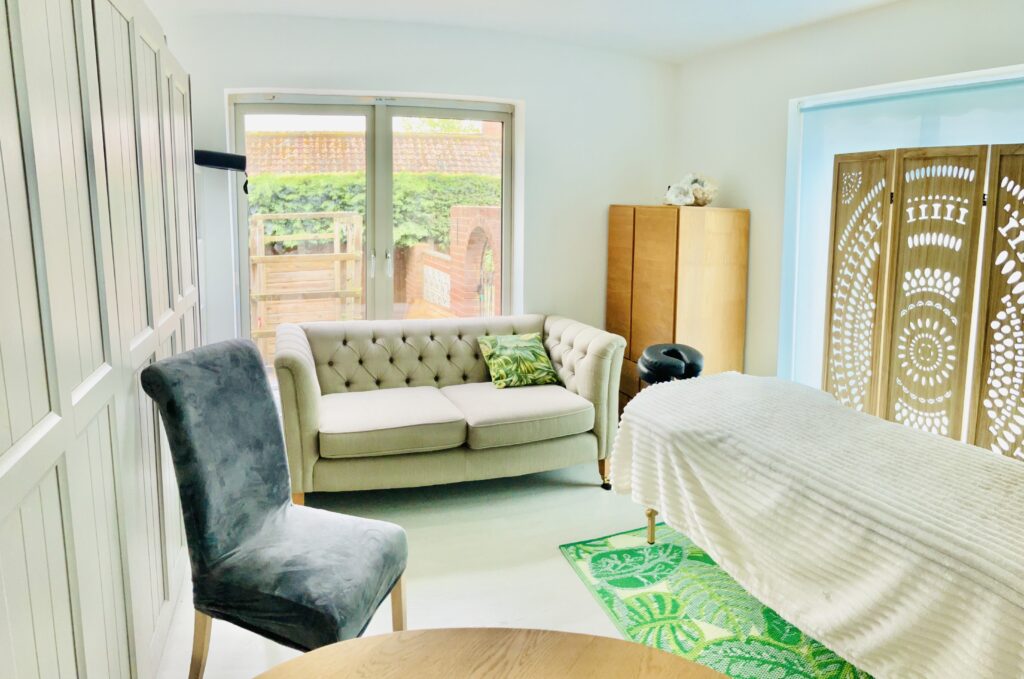
A calm, private space to talk face-to-face
I work with mild to moderate anxiety and will always guide you to the right support if you need something more specialist.
How I work
My approach is integrative, meaning we look at your wellbeing as a whole rather than focusing on just one aspect.
I draw on a range of psychological approaches, including cognitive and behavioural techniques, acceptance and mindfulness-based tools, and hypnotherapy where appropriate. Alongside this, I may offer gentle lifestyle guidance—such as support around nutrition, daily habits, and nervous system regulation.
Rather than applying a fixed method, I adapt our work to what feels most helpful for you—supporting you to better understand what’s happening and find ways to feel more steady, calm, and in control.
What is a 1:1 therapy session?
A session is a calm, confidential space where you can talk through what’s been feeling difficult and begin to make sense of what’s going on.
We’ll gently explore what you’ve been experiencing day to day—how it’s affecting your thoughts, emotions, and physical wellbeing. From there, I’ll guide the session at a pace that feels comfortable for you, helping you feel more grounded and clear.
Where helpful, I may introduce simple tools or techniques to support anxiety regulation, emotional balance, and a greater sense of calm.
Sessions last 50 minutes and cost £60.
Packages of 4 sessions are available at £200.
We can also begin with a free 15-minute introductory call to see if this feels like the right fit.
CBT hypnotherapy combines elements of Cognitive Behavioural Therapy (CBT) with guided hypnosis and relaxation techniques. CBT focuses on understanding the thoughts, patterns and behaviours that may be contributing to anxiety or emotional overwhelm, while hypnosis can help support relaxation, nervous system regulation and deeper emotional change. For most people this is more effective than CBT alone. Together, they can provide a calm, supportive approach for working with anxiety, stress, confidence and emotional wellbeing.
Lifestyle medicine is an evidence-based approach that focuses on how everyday factors such as sleep, stress, nutrition, movement, social connection and nervous system regulation can have a powerful impact on both mental and physical health. Emerging research in genetics and epigenetics — the area of genetics exploring how lifestyle and environment influence the way genes are expressed — suggests that people often underestimate how much influence they can have over their long-term health and wellbeing. While medical treatments can play an important role, lifestyle changes can also significantly support recovery, resilience and, in some cases, help improve or even reverse aspects of chronic disease.