
When anxiety is taking up too much space in your life
Anxiety Therapy in Norwich & Online
Integrative psychological support to help you understand anxiety, feel more grounded and find a different way forward - drawing on psychology, CBT hypnotherapy, EMDR, mindfulness and whole-person approaches.
Anxiety Therapy in Norwich & Online
You might be experiencing:
- Busy thoughts or difficulty switching off
- Feeling tense, restless, or on edge most of the time
- Sleep difficulties or a busy mind at night
- Worry that feels hard to control or step away from
- Avoiding situations that used to feel manageable
- Feeling unlike yourself, especially during times of change or transition
If you recognise yourself in these experiences, anxiety therapy in Norwich and online can help you understand the connection between your thoughts, emotions and behaviours, explore patterns that may be contributing to anxiety, and develop new ways of responding.
I work with mild to moderate anxiety and will always guide you to the right support if you need something more specialist.
What changes when anxiety begins to shift...
When anxiety starts to settle, people often notice:
- A quieter, less reactive mind
- An ability to pause and choose not to worry
- More emotional steadiness in daily life
- Improved sleep and physical relaxation
- Greater confidence in handling situations
- A greater sense of ease, confidence and connection
The goal isn’t to eliminate anxiety completely, it is to change your relationship with it, so you are calmer, more in control and enjoy life more.
Each session I had with Laura was excellent.
Laura has a warm friendly approach. She creates a space which enabled me to go deeply into the experience.
Margaret
Laura has helped me when all else failed! Laura’s approach is calm, professional and friendly. The hypnotherapy sessions and recordings to use later have been very successful. Thoroughly recommend.
Wendy
Laura made all my anxiety seem normal. Laura had so much warmth and empathy for my situation. The techniques she used really helped to reduce my anxiety levels and allow me to feel motivated and brave enough to face fears that had been with me for so long. Highly recommend.
Sarah
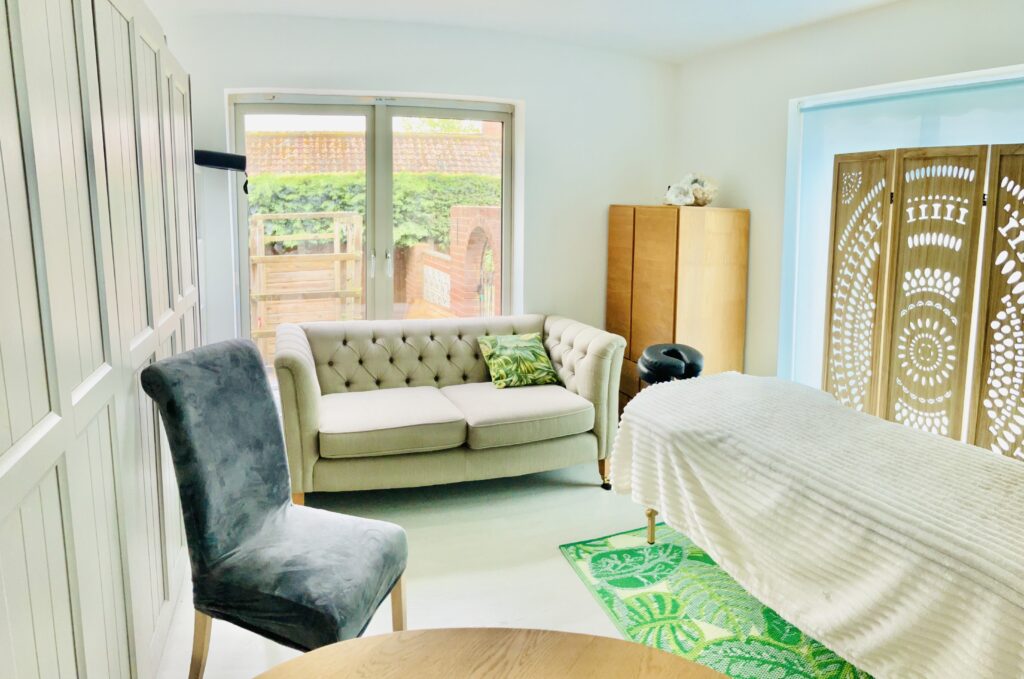
Therapy in Norwich and Online
I offer both…
In-person therapy in Norwich
The therapy room is designed to feel calm, private, and supportive, somewhere you can take a breath and talk openly without feeling rushed. Many people find that being in a physical space, away from home, helps them focus more fully on themselves and the process.
Anxiety Therapy Online
Flexible sessions from the comfort of your own home, allowing you to access support wherever you are. Both options provide the same level of care, giving you the freedom to choose what feels right for you.
Location
Sessions take place in a small village close to Norwich in a private, comfortable setting, with easy parking. Directions available on booking.
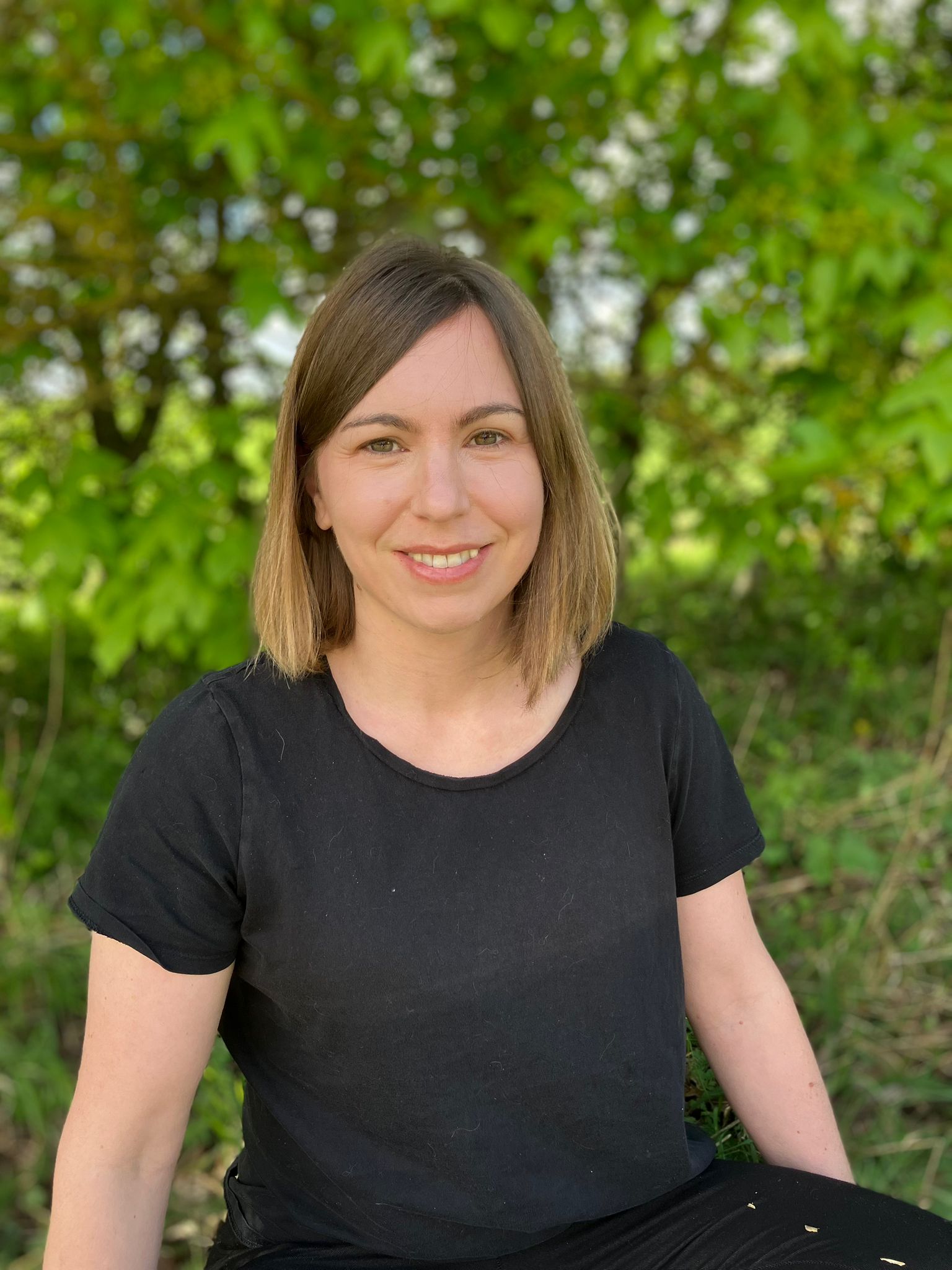
Hi, I'm Laura.
I’m interested in what happens when we bring different ways of understanding ourselves into conversation — from psychology and therapeutic practice to mindfulness, meditation and other contemplative approaches.
My own background spans both scientific and psychological training, alongside years of exploring holistic and mind–body approaches to wellbeing. This has shaped the way I work: curious, integrative and open to different perspectives, while remaining thoughtful about what each approach can and can’t offer.
This is at the heart of my East Meets West approach.
I don’t see psychological understanding and contemplative practice as competing ways of working. Psychology can help us understand our thoughts, emotions, behaviours and patterns; meditation and contemplative practices can give us a different way of experiencing them. Sometimes we need insight and understanding. Sometimes we need space to experience, reflect and reconnect.
My therapeutic work is grounded in psychology and may draw on approaches including CBT-informed therapy, hypnotherapy, EMDR and mindfulness. My wider work also includes meditation, Reiki and other holistic practices.
Whether you come to me because you’re struggling with anxiety, overcoming a difficult experience, navigating a period of change, or simply want to explore your wellbeing more deeply, my aim is to create a space where you can be curious, question things and find an approach that feels meaningful to you.

How I work - My Approach
My therapeutic work is integrative, grounded in psychology and informed by approaches including CBT, hypnotherapy, EMDR and mindfulness. Alongside this, my wider work draws on meditation and other contemplative and holistic practices.
East Meets West is about bringing these perspectives together thoughtfully. Psychology can help us understand patterns of thought, behaviour and emotion; contemplative practices can invite us to experience those patterns differently. One can offer explanation and insight, while the other can offer space, awareness and direct experience.
In anxiety therapy, for example, we might explore the patterns that are maintaining anxiety and develop practical psychological strategies for responding differently. We might also work with attention, awareness and the relationship you have with your thoughts and bodily sensations.
Our work can explore not only what is happening for you now, but also the values, relationships, questions and deeper sense of meaning that shape your life. Sometimes that means changing a thought or behaviour; sometimes it means becoming more aware of how you experience yourself and the world around you. And sometimes it means stepping back from the immediate problem and asking a bigger question: what kind of life do you actually want to live? My aim is not simply to help you feel better, but to help you understand yourself more deeply and find ways of living that feel meaningful and aligned with what matters to you.
Explore whether therapy could help
If you’re ready to understand your anxiety differently and explore what might help, you’re welcome to book a free introductory call.
Frequently Asked Questions
How do I know if I need anxiety therapy?
You do not need to have a diagnosis or feel that things have reached a crisis point before seeking support. Many of the women I work with come because they feel more anxious than usual, overwhelmed, or unlike themselves and want to understand what is happening.
Therapy can help you explore the patterns behind anxiety and develop new ways of responding.
What happens in a therapy session?
A session is a calm space where you can talk about what’s been going on for you. I will listen and gently guide the conversation. We may also explore simple ways to help you feel more relaxed and in control.
Do I need to prepare anything?
No, you don’t need to prepare anything. You can just come as you are and talk about whatever feels important to you.
Is everything I say confidential?
Yes, therapy is private and confidential. This means you can speak openly and safely. I will explain this clearly before we begin.
How many sessions will I need?
It’s different for everyone. Some people come for a few sessions, while others prefer longer support. We can decide together what feels right for you.
Can therapy help with physical symptoms of anxiety?
Yes. Anxiety can affect your body as well as your mind. You might feel tense, restless, or have trouble sleeping. Anxiety therapy in Norwich can help you feel more calm in both your mind and body.
Do you offer in-person therapy in Norwich?
Yes, I offer in-person therapy in Norwich in a calm and private space where you can talk comfortably. I also offer anxiety therapy online. This means you can have sessions from home if that feels easier for you.
Can therapy help with anxiety during hormonal changes?
Yes, I support women who notice anxiety during hormonal changes. This can feel sudden or unfamiliar, but therapy can help you feel more balanced again.
How do I know if anxiety therapy is right for me?
You do not need to have a diagnosis or feel that things have reached a crisis point before seeking support. Many of the women I work with come because they feel more anxious than usual, overwhelmed, or unlike themselves and want to understand what is happening.
Therapy can help you explore the patterns behind anxiety and develop new ways of responding.
Can anxiety be linked to hormonal changes?
Yes. Some women experience new or unexpected anxiety during times of hormonal change, including perimenopause and menopause.
These experiences can feel confusing, especially if anxiety is something you have not struggled with before. Therapy can help you understand the factors contributing to how you feel and explore approaches that support emotional wellbeing.
Do I need CBT, hypnotherapy or another type of therapy?
Not necessarily. Everyone’s experience of anxiety is different, which is why I work integratively rather than following one fixed approach.
Depending on your needs, sessions may draw on CBT approaches, hypnotherapy, mindfulness-based techniques, EMDR, and lifestyle medicine principles.
Can therapy help if I understand my anxiety but still struggle to change it?
Yes. Many people are very aware of their thoughts and patterns but still find themselves reacting in the same ways.
Therapy can help you explore automatic patterns and develop new ways of responding, so that understanding can translate into meaningful change.
How do I get started?
Starting therapy begins with a conversation. A free 15-minute introductory call gives you the chance to ask questions, share what you are looking for support with, and see whether working together feels like the right fit.